
Journal · Jun 02, 2026
The Educational Benefits of Storytelling: Why Every Child Needs More Stories
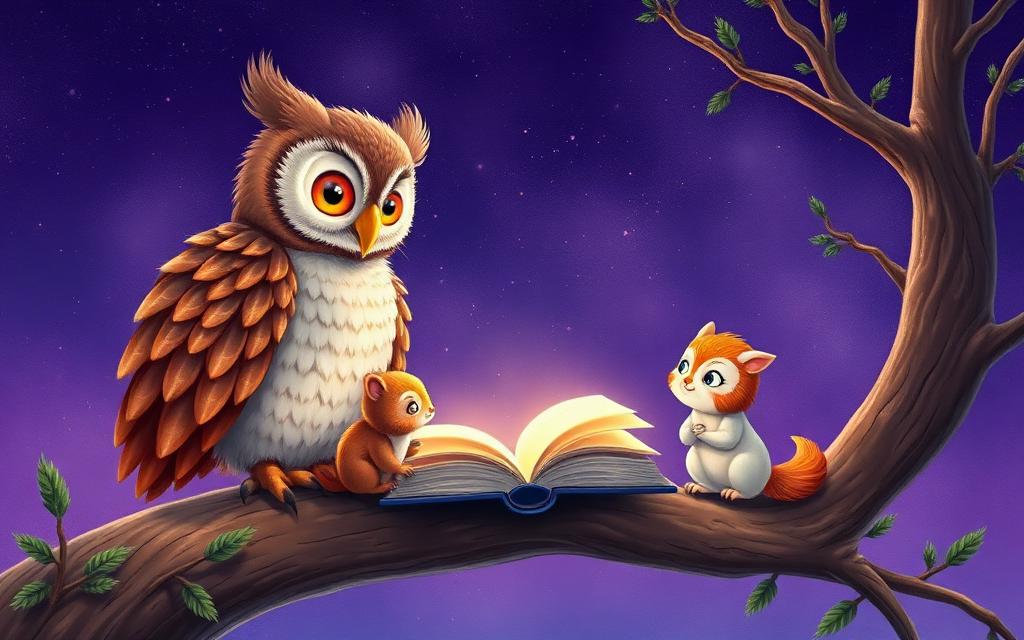
Long before classrooms, textbooks, and digital learning, stories were the first teachers. They helped children understand the world, learn important values, and pass knowledge from one generation to the next. Even today, storytelling remains one of the most effective ways to support a child's learning and development.
Whether it's a fairy tale before bedtime, a folktale shared by grandparents, or an interactive story read together on a tablet, storytelling nurtures skills that go far beyond entertainment.
Let's explore why educators and child development experts believe storytelling is one of the most powerful learning tools for children.
Stories Make Learning Memorable
Children naturally remember information better when it's presented as a story.
Facts on their own can be difficult to retain, but when those facts become part of an engaging adventure, children are more likely to understand and remember them.
For example, a story about a curious little squirrel gathering food for winter can introduce ideas about seasons, preparation, and nature more effectively than simply listing facts.
Stories give information meaning, making learning both enjoyable and memorable.
Storytelling Builds Language Skills
Every story introduces children to new words, sentence structures, and ways of expressing ideas.
As children listen to stories regularly, they gradually expand their:
- Vocabulary
- Listening skills
- Sentence formation
- Pronunciation
- Communication abilities
- Understanding of grammar
Children who are exposed to rich language through storytelling often find it easier to express themselves clearly as they grow.
Stories Strengthen Imagination and Creativity
When children hear a story, they create pictures in their minds.
A castle, a magical forest, a talking animal, or a spaceship exploring distant planets all come to life through imagination.
This ability to visualize ideas encourages creativity, flexible thinking, and innovation—skills that are valuable in every stage of life.
Imaginative thinking also helps children become better problem-solvers because they learn to explore different possibilities instead of looking for only one answer.
Storytelling Improves Listening and Attention
Listening to a story requires children to focus, follow events, and remember details.
As they listen, they learn to:
- Pay attention for longer periods
- Follow sequences of events
- Remember characters and settings
- Understand cause and effect
- Predict what might happen next
These skills support classroom learning and everyday communication.
Stories Teach Emotional Intelligence
One of the greatest strengths of storytelling is its ability to help children understand emotions.
Through stories, children experience joy, fear, disappointment, excitement, kindness, courage, and hope alongside the characters.
As they ask questions like:
- Why was the character sad?
- What made them feel brave?
- How could they solve the problem?
they begin developing empathy and emotional awareness.
Understanding emotions helps children build stronger friendships and respond more thoughtfully to challenges.
Stories Introduce Important Life Lessons
Many stories teach values without feeling like lessons.
Children naturally absorb messages about:
- Honesty
- Kindness
- Responsibility
- Respect
- Courage
- Teamwork
- Patience
- Perseverance
Because these values are woven into engaging narratives, children are more likely to remember and apply them in everyday life.
Storytelling Encourages Critical Thinking
Stories often present problems that characters must solve.
As children follow the story, they begin asking questions such as:
- What would I do in this situation?
- Why did the character make that choice?
- Could there have been a better solution?
- What might happen after the story ends?
These discussions encourage reasoning, analysis, and independent thinking—important skills for lifelong learning.
Stories Support Early Literacy
Reading stories regularly helps prepare children for independent reading.
They become familiar with:
- Letters and words
- Sounds and rhythms of language
- Story structure
- Beginning, middle, and ending
- Print awareness
- Reading confidence
Children who enjoy stories are often more motivated to learn to read because they want to discover new adventures on their own.
Storytelling Introduces New Cultures and Ideas
Stories allow children to explore places and traditions beyond their own experiences.
Through books and folktales from around the world, they learn about:
- Different cultures
- Languages
- Festivals
- Family traditions
- Historical events
- Diverse ways of life
This broadens their understanding of the world and encourages respect for people from different backgrounds.
Interactive Storytelling Makes Learning Even More Engaging
Modern storytelling can be more than simply reading words on a page.
Interactive stories that include narration, illustrations, sound effects, animations, or simple activities encourage children to actively participate.
Instead of only listening, children begin to:
- Predict outcomes
- Answer questions
- Recognize patterns
- Connect ideas
- Explore new vocabulary
- Stay engaged for longer
When used thoughtfully, digital storytelling can complement traditional books and create rich learning experiences.
Parents Are a Child's First Storytellers
You don't need to be a professional storyteller to make a lasting impact.
Simply reading aloud with enthusiasm, asking questions, and talking about the story helps children build stronger language and thinking skills.
Even telling stories from your own childhood or creating imaginative adventures together encourages curiosity and strengthens your bond.
The memories made during story time often become some of the moments children treasure most.
Easy Ways to Bring More Storytelling Into Daily Life
You don't need a complicated routine to enjoy the educational benefits of storytelling. Try incorporating stories into everyday moments:
- Read together before bedtime.
- Tell a short story during car rides.
- Ask your child to invent an ending to a familiar tale.
- Create stories using toys or stuffed animals.
- Visit your local library and discover new books.
- Encourage your child to retell stories in their own words.
- Use stories to explain everyday situations or solve small problems.
Just a few minutes of storytelling each day can have a lasting impact on your child's development.
Final Thoughts
Storytelling is much more than entertainment—it's a powerful educational tool that helps children learn, imagine, communicate, and grow. Every story introduces new ideas, strengthens language, nurtures empathy, and inspires curiosity about the world.
Whether you're reading a classic bedtime tale, sharing a family memory, or exploring an interactive story together, you're helping your child build skills that extend far beyond the pages of a book. One story at a time, you're laying the foundation for confident readers, creative thinkers, and compassionate individuals who are ready to embrace a lifetime of learning.